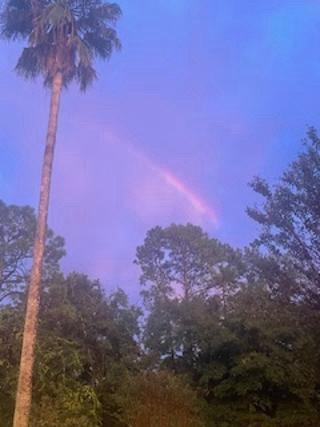
A few weeks ago, an extraordinary and unprecedented weather event unfolded along the east coast. A cluster of states, stretching from the east to the Midwest, fell under tornado watches and warnings. What made this situation so remarkable was the scope of the risk—nearly ten states were affected, with entire states, not just individual towns or regions, facing potential danger at the same time. The thought of a tornado devastating all those states simultaneously was chilling, raising the possibility of catastrophic damage and a long, arduous period of search, rescue, and cleanup.
All indicators pointed toward tornado activity in these ten states: warnings were issued, school events were canceled, many people stayed home from work, and streets emptied out. Emergency alerts echoed across state lines. Some communities lost power, and others saw scattered debris, such as fallen tree limbs and branches. Yet, when the threat subsided, no homes were uprooted, there was no loss of life, and no significant damage was reported. Disaster, in the end, was avoided.
The next day, I braced myself for grim news reports. To my surprise, there were none. Instead, I came across posts criticizing meteorologists for “fear mongering,” accusing them of causing unnecessary panic and inconvenience. Meteorologists defended their actions, explaining that all the evidence had pointed to a high likelihood of tornado activity and that their forecasts were based on the best available data.
One response in particular caught my attention. It came from someone supporting the meteorologists, who explained that the forecasters had predicted the tornado threat accurately and that the timing matched the forecast. Unlike snowstorms, which can shift unpredictably, this tornado threat remained consistent. The commenter attributed the absence of disaster to the prayers of people in the affected and neighboring states, believing that their prayers were heard and the storm was calmed.
This experience serves as a reminder that when nothing happens, we often dismiss it as a mere inconvenience. But perhaps, in reality, prayers were answered and disaster was averted. If meteorologists had minimized the threat—suggesting there was less than a one percent chance of such an event because it had never happened before—how would we have responded if disaster struck and everyone was unprepared? Imagine the scale of the response and the years it would take to recover.
Hope has a way of showing up in unexpected places and moments we often overlook, even those that seem inconvenient at the time. Inconvenient hope is still hope. And where there’s hope, there’s a way.
 the HOPE chronicles blog
Leave a comment